Different Styles (Bani-s) in Bharatanatyam
What is a Bani?
A bani is essentially a stylistic approach within Bharatanatyam. While all bani-s follow the same foundational structure adavus, mudras, abhinaya the presentation, emphasis, and aesthetics differ.
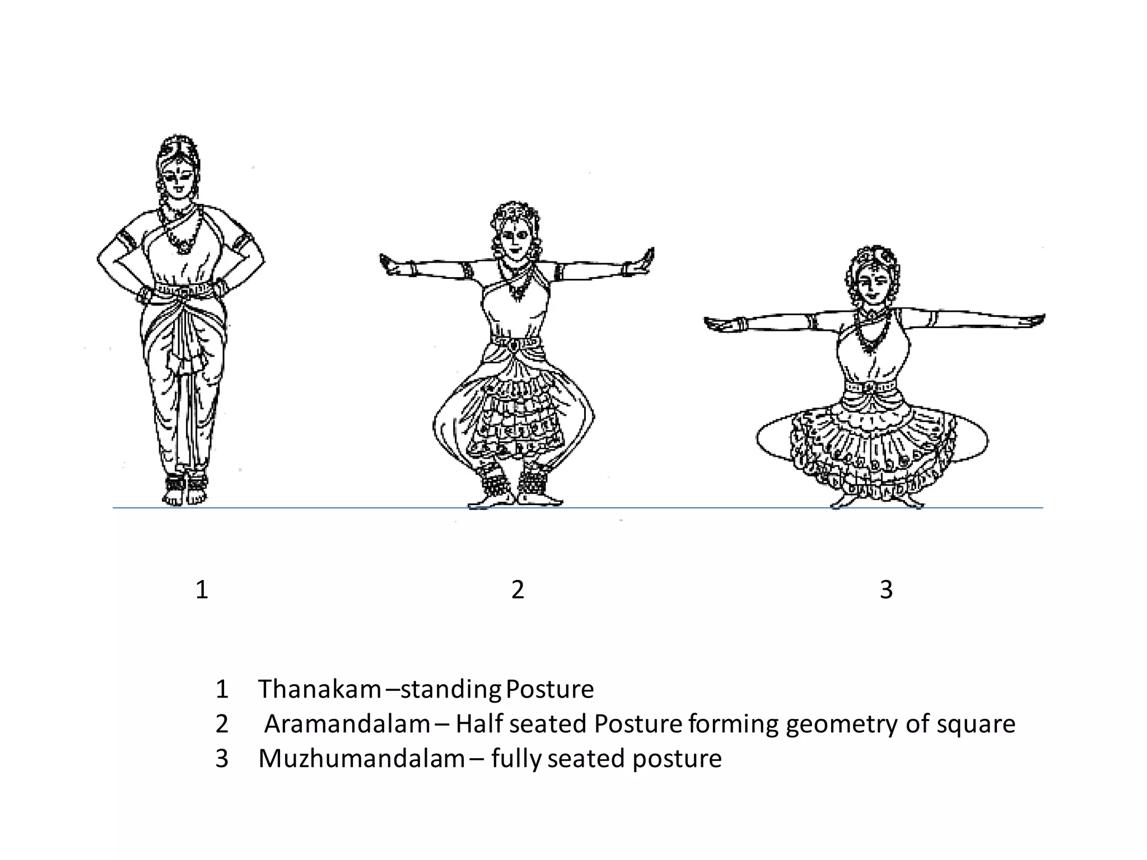
1. Pandanallur Bani
The Pandanallur style is known for its precision and linear geometry.
Key Features:
Clean, straight lines and symmetry
Slow, controlled movements
Minimalistic yet powerful expressions
Strong emphasis on technique over dramatization
This bani is often considered traditional and meditative in its presentation.
Vazhuvoor Bani
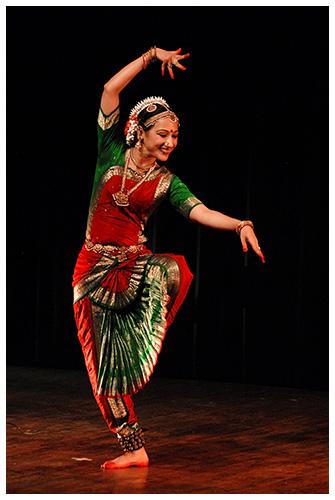
The Vazhuvoor style is admired for its grace and dramatic appeal.
Key Features:
Flowing, rounded movements
Emphasis on abhinaya (expression)
Dramatic poses and theatrical elements
Rich stage presence and elegance
This bani feels more expressive and visually captivating.
Kalakshetra Bani
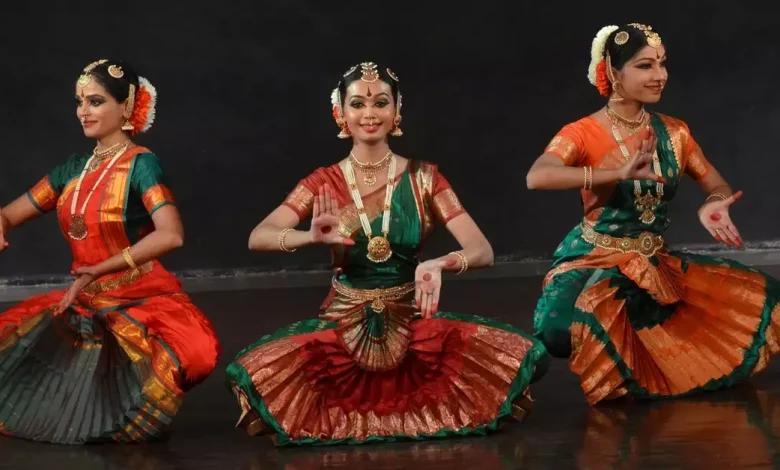
Developed by Rukmini Devi Arundale, this bani blends tradition with refinement.
Key Features:
Structured, standardized technique
Balanced focus on nritta (pure dance) and abhinaya
Graceful yet disciplined movements
Group choreography and stage aesthetics
It is widely taught and recognized globally for its clarity and elegance.
Melattur Bani
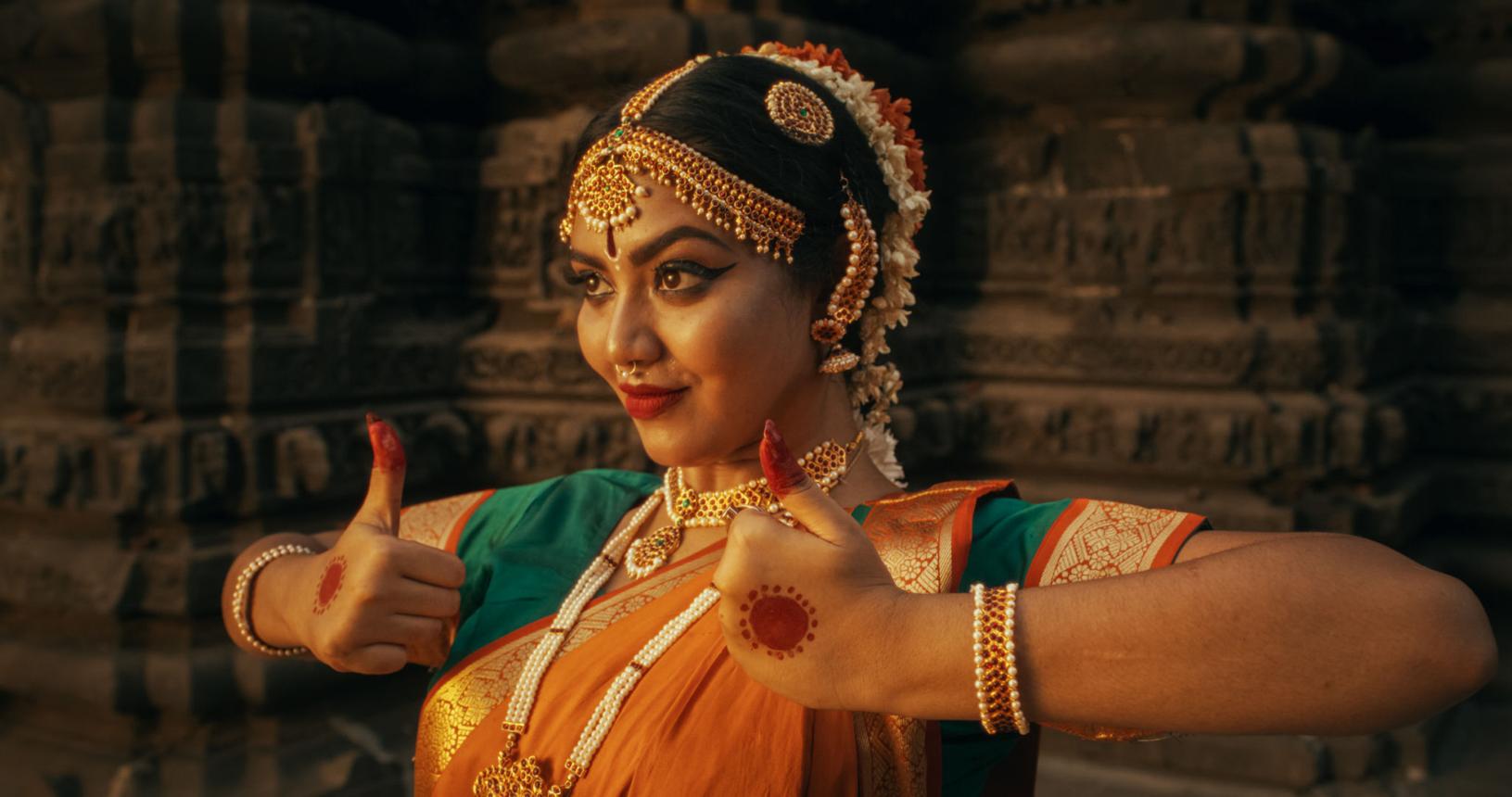
The Melattur style is rooted in expressive storytelling and devotion.
Key Features:
Strong emphasis on facial expressions
Dynamic transitions between movements
Deep connection to mythological narratives
Emotional intensity in performance
This bani brings out the narrative richness of Bharatanatyam.
Mysore Bani
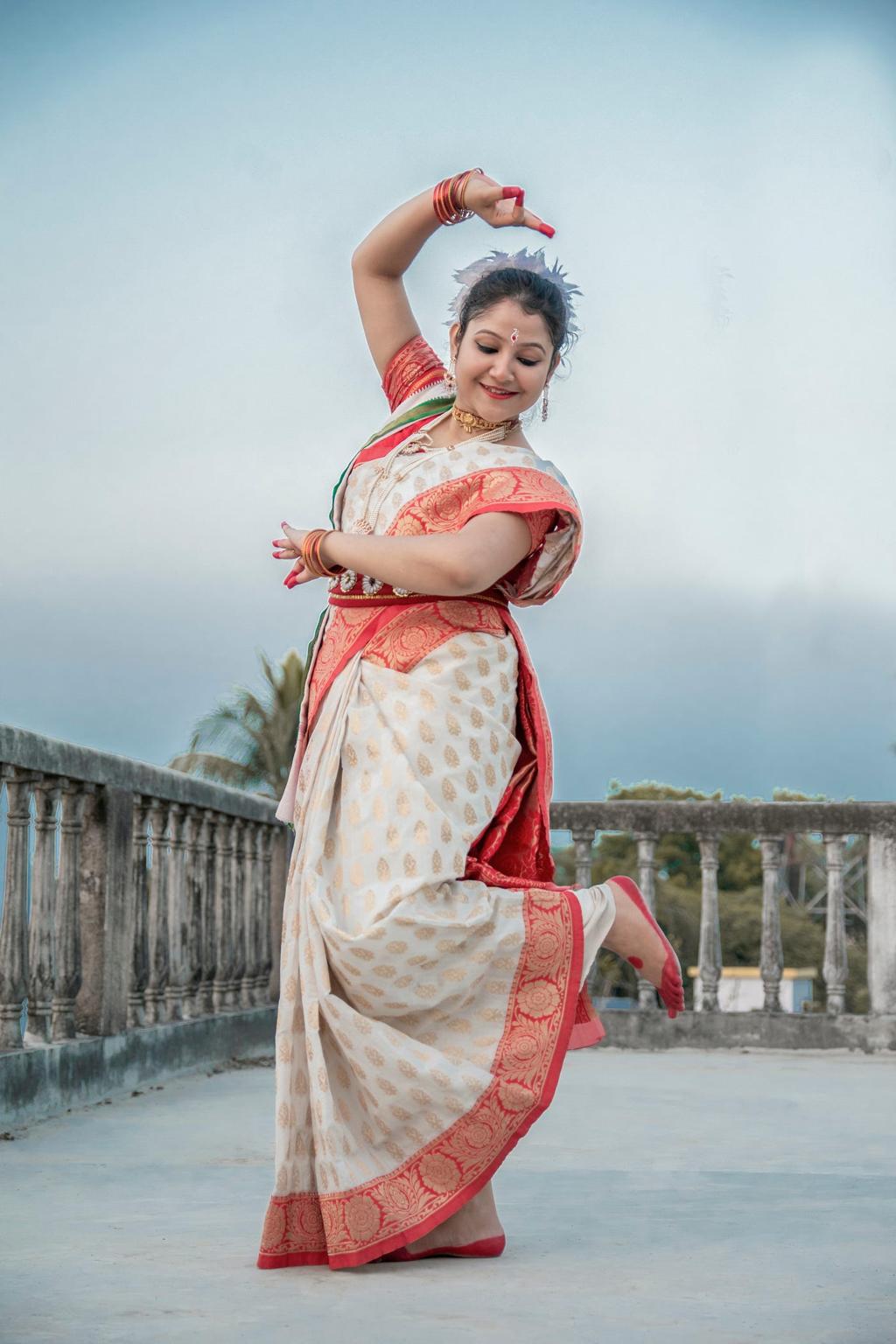
The Mysore style is known for its softness and lyrical quality.
Key Features:
Gentle, fluid movements
Subtle and refined expressions
Less rigid, more natural flow
Emphasis on grace over sharpness
It creates a soothing and elegant visual experience.
While these bani-s differ in style, they all share the same soul of Bharatanatyam—discipline, storytelling, and devotion. Many contemporary dancers today learn a blend of styles, creating performances that are both rooted and innovative.
Understanding bani-s not only deepens your appreciation but also helps you discover which style resonates with you as a dancer or viewer.